
Overview
West Bengal is home to many fascinating festivals that showcase its rich religious heritage, cultural traditions, and community celebrations. Among them, the Rath Jatra of Guptipara holds a special place. Celebrated in the historic town of Guptipara in Hooghly district, this centuries-old festival is famous for its magnificent wooden chariot, unique religious rituals, traditional fair, and the extraordinary Bhandara Loot ceremony.
While Puri Rath Yatra is internationally recognised, Guptipara Rath Jatra has its own historical and cultural significance. The festival attracts thousands of devotees and visitors who come to witness the grand procession of Lord Jagannath, Lord Balabhadra, and Goddess Subhadra.
One of the most interesting aspects of this celebration is Bhandara Loot, a distinctive tradition in which devotees collect sacred food offerings. Along with the grand chariot procession, the historic temples, traditional Bengali fair, and devotional atmosphere make Guptipara an interesting destination for cultural travellers.
Guptipara Rath Jatra is an annual Hindu festival celebrated in Guptipara, located in the Hooghly district of West Bengal. The festival is dedicated to Lord Jagannath, Lord Balabhadra, and Goddess Subhadra.
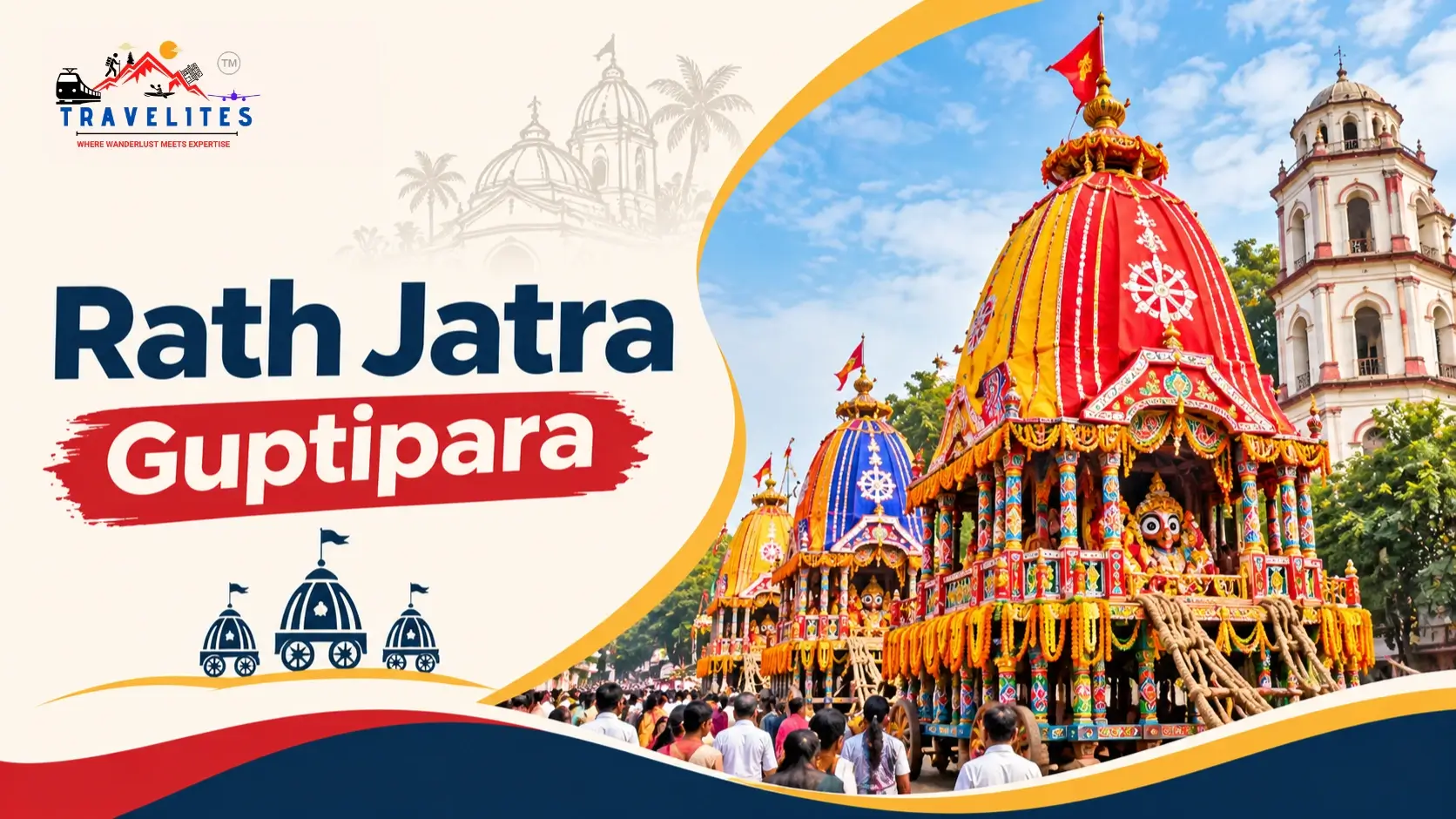
During the festival, the deities are ceremonially placed on a beautifully decorated wooden chariot and taken through the streets of Guptipara. Thousands of devotees gather to pull the chariot using long ropes, believing that participating in this sacred journey brings blessings and good fortune.
The celebration takes place during the Hindu month of Ashadha, generally in June or July, and continues with various rituals and festivities until Ulto Rath, the return journey of the deities.
| Festival Details | Information |
|---|---|
| Festival Name | Guptipara Rath Jatra |
| Location | Guptipara, Hooghly, West Bengal |
| Main Deities | Lord Jagannath, Balabhadra and Subhadra |
| Festival Month | Ashadha (June–July) |
| Main Attraction | Traditional wooden Rath |
| Famous Ritual | Bhandara Loot |
| Other Attraction | Guptipara Rath Mela |
| Nearest Major City | Kolkata |
| Nearest Railway Station | Guptipara |
Guptipara Rath Jatra is not merely a religious celebration. It represents Bengal’s traditional temple culture, craftsmanship, community participation, and centuries-old devotional practices.
1. History of Guptipara Rath Jatra
The history of Guptipara Rath Jatra dates back to the 18th century. Guptipara has long been an important centre of Vaishnavite traditions and religious activities in Bengal. Historical accounts commonly associate the beginning of the festival with the year 1740 and the religious traditions surrounding the Brindaban Chandra Jiu Math.
Over the centuries, the festival developed into one of the most recognised Rath Yatra celebrations in West Bengal. The religious importance of Guptipara is closely connected with its historic temples and the worship of Lord Krishna and Lord Jagannath. The local community has played an important role in preserving the festival’s rituals and traditions.
Every year, preparations begin well before Rath Yatra. The chariot is maintained and decorated, temple arrangements are organised, and local residents prepare to welcome thousands of devotees. The festival has survived generations of cultural changes and continues to attract people interested in Bengal’s religious heritage.
Today, Guptipara Rath Jatra is recognised as an important cultural and religious event in the Hooghly district.
2. The Magnificent Wooden Chariot of Guptipara
One of the biggest attractions of Guptipara Rath Jatra is its enormous traditional wooden chariot, popularly known as the Guptipara Rath.
The chariot is particularly famous for its distinctive Nabaratna architectural style, featuring nine decorative towers or spires. Its traditional design reflects the craftsmanship and architectural heritage of Bengal. The magnificent structure is traditionally associated with the Brindaban Chandra Jiu Math.
The chariot is known for several interesting features:
- A massive four-storey wooden structure.
- Nine decorative spires representing the Nabaratna style.
- Sixteen large wooden wheels.
- A square base measuring approximately 34 feet by 34 feet.
- A height of approximately 36 feet.
- Long, heavy ropes used by devotees to pull the chariot.
The chariot is carefully decorated before the annual procession. During Rath Yatra, devotees gather in large numbers to pull it through the designated route. The sight of the massive wooden Rath moving through the streets, accompanied by devotional songs, chanting, and celebrations, is one of the most memorable experiences of the festival.
For travellers interested in traditional architecture and Bengali heritage, the Guptipara Rath is an attraction worth witnessing.
3. Bhandara Loot: The Unique Tradition of Guptipara Rath Jatra
Perhaps the most fascinating aspect of Guptipara Rath Jatra is its famous Bhandara Loot ceremony. This unusual religious tradition distinguishes Guptipara’s celebration from many other Rath Yatra festivals in India.
According to local tradition, Lord Jagannath and the other deities visit their aunt’s house, popularly known as Mashir Bari, during Rath Yatra. During their stay, special food offerings or Bhog are prepared for the deities. On the day before Ulto Rath, the temple doors are opened, allowing devotees to collect the sacred food offerings. This ritual is popularly known as Bhandara Loot.
The word Bhandara refers to a storehouse or collection of food, while Loot means collecting or taking something. Although the name may sound unusual, the ritual has deep religious and cultural significance for the local community.
Devotees eagerly wait for the ceremony, and once the doors open, people gather to collect the sacred offerings. The atmosphere becomes energetic, with large crowds participating in this centuries-old tradition.
For visitors, witnessing Bhandara Loot provides an opportunity to understand the distinctive religious customs of rural Bengal. It is not simply an unusual festival activity. It reflects the belief that the food offered to the deities carries divine blessings and that sharing it is an important expression of devotion.
4. Rath Yatra and Ulto Rath: The Two Important Celebrations
Like other traditional Rath Yatra festivals, Guptipara Rath Jatra includes two major events: Rath Yatra and Ulto Rath.
Rath Yatra
Rath Yatra marks the beginning of the deities’ journey from their main temple to their aunt’s house. On this occasion, Lord Jagannath, Lord Balabhadra, and Goddess Subhadra are ceremonially placed on the decorated chariot.
Devotees gather to pull the massive wooden Rath using long ropes. The procession is accompanied by devotional songs, traditional music, chanting, and religious celebrations. For devotees, pulling the chariot is considered an auspicious act of devotion.
Ulto Rath
Ulto Rath marks the return journey of the deities to their original temple. It is another important occasion during the festival, attracting large numbers of devotees and visitors.
Before the return procession, the famous Bhandara Loot ritual takes place, making this period particularly significant in Guptipara’s religious calendar. Together, Rath Yatra and Ulto Rath form the central attractions of the annual Guptipara Rath Jatra celebration.
5. Guptipara Rath Mela: A Traditional Bengali Fair
Guptipara Rath Jatra is also famous for its traditional Rath Mela, which brings a festive atmosphere to the town.
The fair is an important part of the annual celebration and attracts families, children, local residents, and visitors from neighbouring districts. Temporary stalls and small shops are set up around the festival area. Visitors can explore traditional Bengali food, sweets, toys, handicrafts, household products, and other local items.
Some of the popular attractions of Guptipara Rath Mela include:
- Traditional Bengali sweets and snacks.
- Local street food and seasonal delicacies.
- Wooden toys and handmade products.
- Decorative household items.
- Small amusement rides and entertainment for children.
- Cultural performances and devotional activities.
The Rath Mela provides a glimpse into the traditional village fair culture of Bengal. It also creates opportunities for local traders and small businesses.
For travellers who enjoy exploring local traditions, food, and community celebrations, visiting Guptipara during Rath Jatra can be a rewarding experience. The festival is an excellent opportunity to experience Bengal beyond its popular tourist attractions.
6. Explore the Historic Temples of Guptipara
Guptipara is not only known for its Rath Jatra but also for its remarkable collection of historic temples. The town has a strong connection with Vaishnavite traditions, and its temple architecture reflects the artistic and religious heritage of Bengal.
One of the most important attractions is the Brindaban Chandra Math, a historic temple complex consisting of four temples.
Brindaban Chandra Temple
The Brindaban Chandra Temple is dedicated to Lord Krishna in his Brindaban Chandra form. It is one of the most significant religious sites in Guptipara and is closely connected with the town’s Rath Jatra celebrations.
Ramchandra Temple
The Ramchandra Temple is particularly famous for its terracotta decorations. Its walls feature intricate panels depicting stories from the Ramayana, religious themes, and scenes from everyday life.
The temple offers an interesting example of Bengal’s traditional terracotta architecture.
Krishnachandra Temple
The Krishnachandra Temple is another important structure within the historic temple complex. It reflects the region’s traditional Krishna worship and architectural heritage.
Chaitanya Temple
The fourth temple is dedicated to Chaitanya Mahaprabhu and associated Vaishnavite traditions. It represents the spiritual influence of the Bhakti movement in Bengal.
The Brindaban Chandra Math complex is also an important heritage site recognised in official monument documentation. A visit to these temples provides a deeper understanding of Guptipara’s historical and religious significance.
7. Guptipara: The Birthplace of Bengal’s Famous Goop Sandesh
Another interesting reason to visit Guptipara is its association with the famous Bengali sweet known as Goop Sandesh or Jora Sandesh.
Guptipara is popularly associated with the origin of this traditional sweet, which is considered an important part of its local food heritage. For food lovers, exploring the local sweet shops is an enjoyable addition to the Rath Jatra experience.
A visit to Guptipara can therefore combine religious tourism, heritage exploration, and Bengali culinary traditions. If you are travelling with family, do not miss the opportunity to explore the town’s local food culture alongside the festival.
8. Why Should You Visit Guptipara During Rath Jatra?
If you are planning a cultural trip in West Bengal, Guptipara Rath Jatra offers several reasons to make the journey.
Experience a centuries-old festival: Witness one of the most recognised traditional Rath Yatra celebrations in Bengal.
Discover Bhandara Loot: Experience a unique local ritual that makes Guptipara Rath Jatra particularly distinctive.
Explore traditional architecture: Visit the historic Brindaban Chandra Math and admire its beautiful terracotta temples.
Enjoy the Rath Mela: Experience traditional Bengali food, local shopping, and village fair culture.
Discover local food traditions: Explore Guptipara’s association with Goop Sandesh and other Bengali sweets.
Enjoy a cultural getaway: Located approximately 80 km from Kolkata, Guptipara offers an interesting heritage excursion outside the city.
9. Best Time to Visit Guptipara Rath Jatra
The best time to visit Guptipara is during its annual Rath Jatra celebrations, which take place in the Hindu month of Ashadha, generally falling in June or July.
The exact dates change every year according to the Hindu lunar calendar.
Depending on your interests, you can plan your visit around the following occasions:
- Rath Yatra: Best for witnessing the main chariot procession and religious celebrations
- Festival days: Ideal for exploring the Rath Mela, local food stalls, and cultural activities.
- Bhandara Loot: Best for experiencing Guptipara’s distinctive religious tradition, held on the day before Ulto Rath.
- Ulto Rath: Ideal for witnessing the return journey of the deities.
If you prefer exploring the temples without large crowds, you can also visit Guptipara outside the festival period.
Travel tip: Confirm the annual Rath Yatra schedule and Bhandara Loot timings with local temple authorities before planning your journey.
10. How to Reach Guptipara from Kolkata
Guptipara is situated in the Hooghly district of West Bengal and is accessible from Kolkata by train and road.
By Train
Travelling by train is one of the convenient ways to reach Guptipara.
- Start your journey from Howrah Railway Station.
- Take a suitable train operating towards Katwa via Bandel.
- Get down at Guptipara Railway Station.
- Use local transport to reach the temple complex and festival area.
Check the latest train timetable before travelling, as train services and timings may change.
By Road
Guptipara can also be reached by road from Kolkata.
- Approximate distance: 80–90 km, depending on the route.
- Approximate journey time: 2.5–3.5 hours, depending on traffic.
- Available transportation: Private cars, taxis, and local buses.
Road travel offers flexibility, especially if you want to explore other attractions in the Hooghly district.
By Bus
You can explore bus connections from Kolkata towards the Hooghly region and continue to Guptipara using local transportation.
During Rath Jatra, expect additional traffic and possible restrictions around the procession route. Plan your arrival accordingly.
11. Nearby Places to Visit Around Guptipara
If you have additional time, you can explore some other interesting destinations in the Hooghly district.
Bandel Church: One of the most famous historical churches in West Bengal, known for its Portuguese connection and religious significance.
Hanseswari Temple, Bansberia: Famous for its distinctive thirteen-towered architecture and beautiful temple surroundings.
Hooghly Imambara: A magnificent historical religious complex known for its architecture, clock tower, and grand interiors.
Chandannagar: A historic town known for its French colonial heritage, riverside promenade, and beautiful old buildings.
Tarakeswar Temple: An important pilgrimage destination dedicated to Lord Shiva, attracting devotees throughout the year.
These attractions can be included in a longer Hooghly heritage trip.
12. Travel Tips for Visiting Guptipara Rath Jatra
Before travelling to Guptipara during Rath Jatra, keep the following tips in mind:
-
Reach early: Arrive well before the main procession to avoid last-minute crowds.
-
Wear comfortable clothing: Lightweight cotton clothes are suitable for the summer and monsoon season.
-
Carry drinking water: June and July can be hot and humid in West Bengal.
-
Keep your belongings secure: Large crowds require extra attention to wallets, phones, and valuables.
-
Follow local instructions: Respect temple regulations and instructions from the police and festival volunteers.
-
Carry some cash: Small vendors may prefer cash payments.
-
Check train schedules: Confirm your return journey in advance.
-
Be prepared for rain: Carry an umbrella or raincoat because the festival takes place during the monsoon season.
Planning ahead will help you enjoy the festival more comfortably.
13. Plan Your Cultural Getaway with Travelites
West Bengal is full of fascinating destinations where history, spirituality, architecture, and local traditions come together. Guptipara Rath Jatra is one such celebration that allows travellers to experience the cultural richness of rural Bengal.
From witnessing the magnificent wooden chariot and experiencing the unique Bhandara Loot tradition to exploring historic terracotta temples and enjoying the traditional Rath Mela, Guptipara offers something special for every culture and heritage enthusiast.
Whether you are planning a short weekend excursion from Kolkata or a longer cultural tour across West Bengal, proper travel planning can make your experience more enjoyable.
Travelites helps travellers discover interesting destinations through customised tour packages, hotel reservations, transportation arrangements, and personalised travel assistance.
Visit www.travelites.co.in to explore travel opportunities and plan your next journey.
Discover Bengal’s hidden heritage, experience its vibrant festivals, and create unforgettable memories with Travelites!