
Overview
Introduction: Experience the Magic of Durga Puja in Kolkata
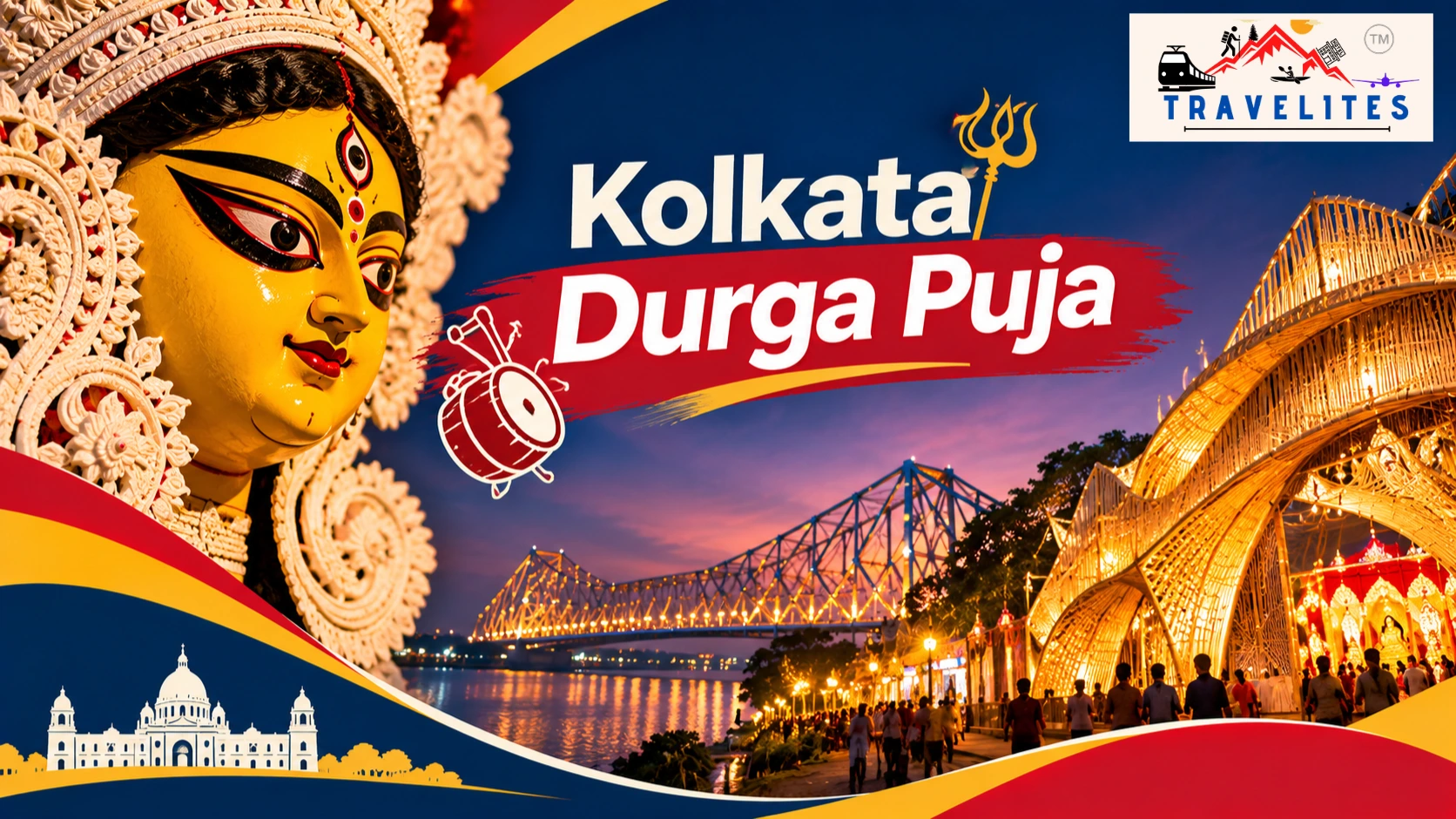
Durga Puja in Kolkata is much more than a religious festival. It is a city-wide celebration of art, culture, devotion, food and community spirit. Every autumn, the City of Joy transforms into an open-air exhibition, with spectacular pandals, beautifully crafted idols of Goddess Durga, traditional dhak performances, illuminated streets and lively cultural gatherings.
UNESCO inscribed Durga Puja in Kolkata on its Representative List of the Intangible Cultural Heritage of Humanity in 2021. The recognition reflects the festival’s artistic creativity, traditional craftsmanship and extraordinary community participation. For travellers, it is an opportunity to experience Bengal through its people, neighbourhoods, rituals and food.
This Durga Puja Kolkata travel guide introduces the festival’s history, important rituals, famous pandals, heritage family pujas, local cuisine and practical travel advice. With a little planning, visitors can enjoy both the festive energy and the historic character of Kolkata. Travelites can help arrange a customised cultural holiday with sightseeing, transport and accommodation.
1. History and Origin of Durga Puja in Kolkata
Durga Puja celebrates Goddess Durga’s victory over Mahishasura, symbolising the triumph of good over evil and the power of divine feminine energy. In Bengali tradition, the goddess is also welcomed as a daughter returning to her parental home. This gives the festival a warm family dimension, alongside its religious significance.
In earlier periods, elaborate pujas were often organised by royal households and wealthy zamindar families. These celebrations became important social gatherings, bringing together relatives, guests, artists and local communities. Over time, community-organised Barowari and Sarbojanin pujas grew in popularity. They allowed neighbourhood residents to participate collectively and helped make the festival more inclusive.
Modern Kolkata Durga Puja brings together traditional worship and contemporary creativity. Pandal organisers work with artisans, sculptors, painters, lighting designers and craftspeople to create installations inspired by temples, folk art, architecture, history and current social themes. The festival also supports a wide network of small businesses and creative workers.
2. Why Durga Puja Is Celebrated
The central story of Durga Puja is Goddess Durga’s battle against Mahishasura. According to Hindu mythology, the gods joined their powers to create the goddess, who defeated the demon and restored balance. Her victory is remembered as a symbol of courage, protection and the triumph of righteousness.
In Bengal, the festival is also associated with homecoming and togetherness. Families meet, people wear new clothes, neighbourhoods organise cultural programmes and visitors explore the city late into the evening. The festival therefore has religious, artistic, social and economic importance. For travellers, it offers a way to understand Kolkata beyond its monuments and museums.
3. Important Durga Puja Rituals and Traditions
Mahalaya marks the beginning of festive anticipation. Many Bengali households traditionally listen to Mahishasura Mardini, a devotional broadcast associated with the invocation of Goddess Durga. The ritual of Chokkhu Daan, or painting the eyes of the idol, is an especially meaningful moment in the artisans’ preparation.
Shashthi marks the formal beginning of the main celebrations, when the goddess is ceremonially welcomed. Saptami is associated with Nabapatrika, a ritual involving nine plants that are worshipped as symbolic expressions of divine feminine energy. On Maha Ashtami, devotees gather to offer Pushpanjali. Kumari Puja, in which a young girl is worshipped as a manifestation of the divine feminine, is observed at selected places.
Sandhi Puja takes place at the transition between Ashtami and Navami and is an important moment in the religious observances. Maha Navami features special prayers and offerings. Bijoya Dashami marks the farewell to the goddess. At selected pujas, married women take part in Sindoor Khela before processions and idol immersion. Visitors should remember that rituals, timings and public access vary between locations.
4. Famous Durga Puja Pandals in Kolkata
Pandal hopping is one of the most popular ways to experience Kolkata Durga Puja. Each neighbourhood creates its own atmosphere through idol design, architecture, lighting and decoration. Some well-known destinations include:
- Bagbazar Sarbojanin: A popular North Kolkata puja known for its traditional atmosphere and connection with the city’s neighbourhood heritage.
- Kumartuli Park: A worthwhile stop for visitors interested in the artistry of Durga idols and the city’s long-standing clay-modelling tradition.
- College Square: Known for decorative lighting and the striking reflections created around its adjoining water body.
- Santosh Mitra Square: Often attracts attention for ambitious themes and elaborate installations.
- Mohammad Ali Park: A central Kolkata destination where pandal designs may draw inspiration from architecture and cultural themes.
- Ekdalia Evergreen: A well-known South Kolkata puja that combines elaborate decoration with a traditional approach.
- Ballygunge Cultural Association: A popular stop for visitors exploring South Kolkata’s festive neighbourhoods.
- Chetla Agrani and Sreebhumi: Frequently included by visitors interested in creative and large-scale thematic presentations.
Pandal themes and access arrangements change every year. Check current local updates and plan visits by neighbourhood to reduce unnecessary travel.
5. Explore Bonedi Bari Durga Puja
Kolkata’s Bonedi Bari pujas offer a different experience from the large community pandals. These traditional celebrations take place in historic family homes and preserve rituals, architecture and customs passed down through generations. The atmosphere can be more intimate, with a strong emphasis on family tradition and heritage.
Sovabazar Rajbari is one of the city’s best-known historic family puja locations. Rani Rashmoni Bari and heritage houses around Pathuriaghata are also associated with Kolkata’s cultural past. The Jorasanko neighbourhood offers an opportunity to combine selected heritage visits with the city’s literary and artistic history.
Some family pujas take place in private premises, so visitors should confirm whether public entry is permitted and follow the household’s instructions. A heritage-focused route can be a rewarding addition to a pandal-hopping itinerary.
6. Bengali Food to Try During Durga Puja
Food is an essential part of the festival. Many puja committees serve bhog, often featuring khichuri, labra and other traditional preparations. Outside the pandals, restaurants and food stalls offer popular Bengali dishes and Kolkata street-food favourites.
Try luchi with alur dom, kosha mangsho, fish fry and Kolkata-style kathi rolls. For dessert, look for mishti doi, rosogolla and sandesh. Food preferences and availability vary, so visitors can choose from local eateries, established restaurants and seasonal stalls. Travelites can help include food stops in a customised Kolkata itinerary, based on the traveller’s interests and schedule.
7. Places to Visit Beyond the Pandals
A Durga Puja trip can also include Kolkata’s major heritage and cultural attractions. Victoria Memorial is known for its white-marble architecture and landscaped gardens. The Indian Museum is a major destination for visitors interested in history, archaeology, art and natural history. Howrah Bridge remains one of the city’s most recognisable landmarks, while Princep Ghat offers a scenic riverside setting.
For a spiritual excursion, consider Dakshineswar Kali Temple and Belur Math, both situated along the Hooghly River. Kumartuli is especially interesting for travellers who want to understand the craft behind the festival’s idols. Check opening hours and visitor arrangements before including museums, temples or heritage sites in your plan, as festival schedules may affect access.
8. Suggested Three-Day Durga Puja Itinerary
Day 1 – North and Central Kolkata: Begin with Kumartuli and selected heritage pujas around Sovabazar. Explore Bagbazar and nearby neighbourhoods, then continue to College Square and Mohammad Ali Park if crowd conditions permit. Take breaks for local food and allow extra time for queues.
Day 2 – South Kolkata: Visit Victoria Memorial or another city attraction during the day. In the afternoon and evening, explore selected pandals around Ballygunge and Ekdalia, followed by Chetla Agrani or Sreebhumi if time and traffic allow.
Day 3 – Spiritual and cultural Kolkata: Visit Dakshineswar Kali Temple and Belur Math, checking visitor timings in advance. Return to the city for the Indian Museum or Princep Ghat, then finish with a nearby pandal.
This is a suggested framework rather than a fixed schedule. The best route depends on the year’s pandal locations, traffic diversions, crowd levels and opening arrangements. Avoid trying to cover too many distant pandals in one evening, particularly on Ashtami and Navami.
9. How to Reach Kolkata and Get Around
Netaji Subhas Chandra Bose International Airport connects Kolkata with major domestic and international destinations. The city’s principal railway terminals include Howrah Junction, Sealdah and Kolkata station. Road connections link Kolkata with neighbouring districts and states.
During Durga Puja, local travel requires extra planning. The Metro can be useful for reaching several parts of the city, but stations and trains may become crowded. Buses, app-based taxis and auto-rickshaws are also available, although road traffic and diversions can affect journey times. Walking between nearby pandals is often practical, but wear comfortable footwear and allow time for queues. Check official transport schedules and traffic advisories before travelling.
10. Where to Stay in Kolkata During Durga Puja
Choose accommodation according to the areas you plan to visit. Esplanade and Central Kolkata are convenient for central attractions and transport links. Park Street offers restaurants and access to the city centre. Ballygunge can be useful for visitors focusing on South Kolkata, while Salt Lake and New Town offer modern accommodation in planned urban areas. Howrah may suit travellers who need convenient access to the railway station.
Hotels can be in high demand during the festival. Reserve early, check cancellation conditions and confirm whether airport or railway transfers are available. Travelites can assist with accommodation options and travel arrangements based on budget, group size and sightseeing preferences.
11. Essential Travel Tips
- Book flights, trains and accommodation well in advance.
- Divide pandal visits into North, Central and South Kolkata routes.
- Wear comfortable shoes and carry drinking water, a phone charger and essential medication.
- Keep phones, wallets and valuables secure in crowded areas.
- Allow extra time for queues, road diversions and walking.
- Check current transport schedules, traffic advisories and pandal-access information.
- Mornings may be comparatively quieter at some locations; evenings are popular for lighting but often busier.
- Respect religious customs, household traditions and photography restrictions.
- Keep your itinerary flexible in case crowd management changes access to a location.
- Include local food and heritage neighbourhoods, not only the most famous pandals.
12. Plan Your Kolkata Durga Puja Holiday with Travelites
A rewarding Durga Puja visit is about more than ticking off a list of famous pandals. It is a chance to discover Bengal’s artistic traditions, historic neighbourhoods, religious customs and food culture. Travelites, a Kolkata-based travel company, can help visitors plan a comfortable cultural holiday.
Depending on your requirements, Travelites can assist with customised Kolkata sightseeing itineraries, pandal-hopping route planning, selected Bonedi Bari and heritage visits, hotel arrangements, airport and railway station transfers, local sightseeing and group or family travel coordination.